Juvenile Probation and Social Assistance Service of Trikala
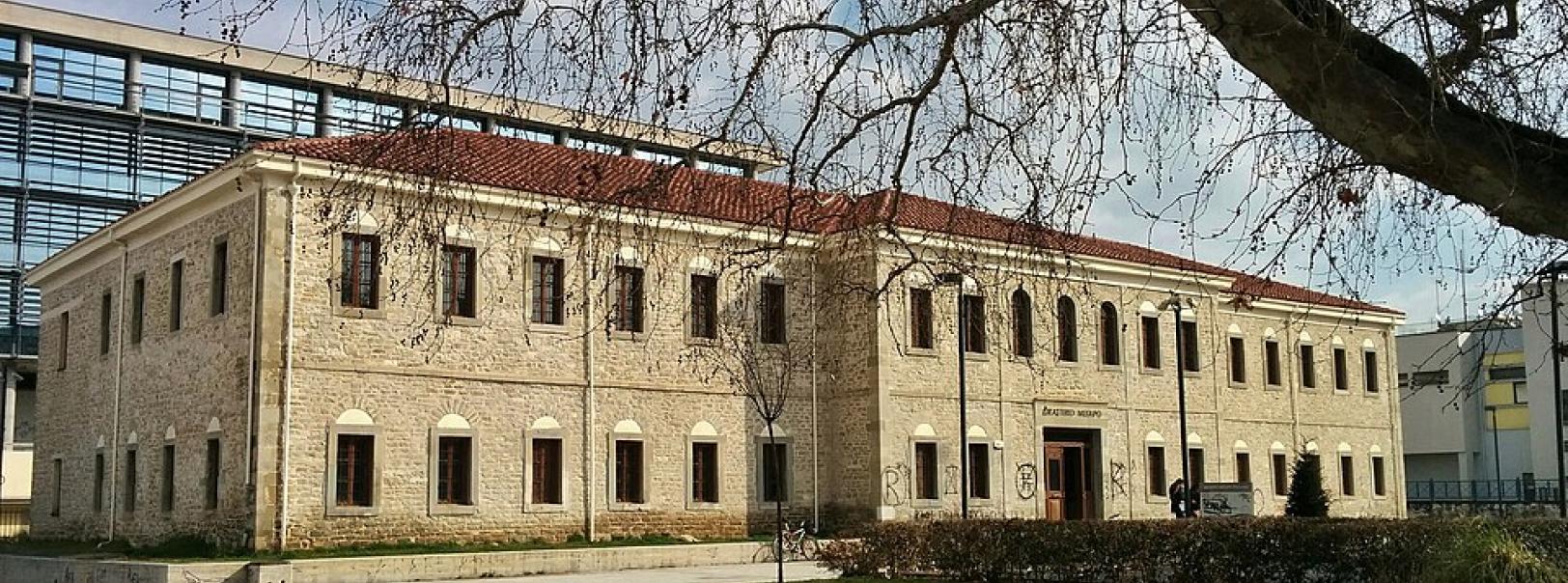
The Juvenile Probation and Social Assistance Service of Trikala is based at the Court of First Instance of Trikala and is housed on the 2nd floor of the Trikala Judicial Court Building.
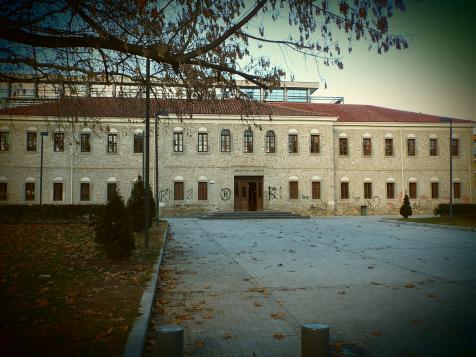
The historic Old Judicial Court Building of Trikala was constructed during the period of the Ottoman Empire and originally housed the city's Turkish administrative headquarters. It stands out for its traditional stone construction and distinctive masonry work.
Following the liberation of Trikala, the building was used as a courthouse from 1915 onwards. However, due to increased operational needs, the New Judicial Court Building was constructed. This modern building was designed by the architectural office of Giannis Kizis and was built between 2005 and 2006 by the company Kloukinas–Lappas S.A.
The new design is characterised by simplicity and austerity, adapted to the public function and institutional character of a judicial building. Nevertheless, it respects the local history by incorporating architectural references to the old building, such as the use of ashlar masonry cladding in the courtrooms, reminiscent of the carved stonework of the former administrative building, while maintaining a similar scale and proportion.
The Juvenile Probation and Social Assistance Service of Trikala is based at the Court of First Instance of Trikala and falls under the 2nd Directorate of Juvenile Probation and Social Assistance Services of the Ministry of Justice.
Within the scope of its territorial jurisdiction, its operational objective is the provision of non-custodial measures for minors who have committed an offence or are at risk of becoming offenders or victims of criminal acts. The Service provides support to the juvenile criminal justice system, both in the field of preventing juvenile delinquency and victimisation, as well as in the treatment and management of juvenile offenders.
The Service is responsible for providing assistance and supervision to persons who have been sentenced to imprisonment with suspension of the execution of their sentence under supervision, to persons whose sentence has been converted into an obligation to perform community service, and to persons who have been conditionally released.
It also conducts social inquiries concerning persons held in temporary detention or persons subject to restrictive conditions, and supervises individuals who have been conditionally released, those sentenced to imprisonment with suspension of execution under supervision, and those whose sentence has been converted into an obligation to perform community service.